Gastronomic Journeys: Exploring the Unique Flavors of Asian Cuisine

Asia, the largest and most populous continent, is a melting pot of cultures, traditions, and, importantly, culinary delights. Each region offers a distinct palette of flavors, ingredients, and cooking techniques, making Asian cuisine one of the most diverse and fascinating in the world. From the bustling street markets of Bangkok to the sushi bars of Tokyo, this article embarks on a gastronomic journey to explore the unique flavors that define Asian cuisine. Whether you’re a seasoned foodie or a curious traveler, join us as we delve into the culinary wonders of Asia.
The Spice Trails of India
India’s culinary landscape is as diverse as its culture, with each region boasting its own unique dishes and cooking styles. At the heart of Indian cuisine are spices like turmeric, cumin, and cardamom, which are used to create rich and flavorful curries. Street food is also a pivotal part of India’s food scene, with chaats (savory snacks) offering a taste of India’s bustling markets. A visit to India is incomplete without savoring a traditional thali, a platter that includes a variety of dishes, reflecting the country’s culinary diversity.
The Freshness of Japanese Cuisine
Japanese cuisine, or washoku, emphasizes freshness and seasonality, with a focus on bringing out the natural flavors of the ingredients. Sushi and sashimi, made with high-quality seafood, are perhaps the most iconic dishes, but Japan’s culinary repertoire is vast. From the savory depth of a bowl of ramen to the simple elegance of a kaiseki meal, Japanese cuisine offers a harmony of taste, texture, and presentation that captivates food lovers worldwide.
The Complex Flavors of Thailand
Thai cuisine is a balance of five flavors: sweet, sour, salty, bitter, and spicy. Dishes like pad thai (stir-fried noodles) and tom yum goong (spicy shrimp soup) are celebrated for their complex flavor profiles. Street food plays a significant role in Thai cuisine, offering an array of dishes that pack a punch in terms of taste and spice. The vibrant street food scenes in cities like Bangkok and Chiang Mai are a testament to the country’s love affair with food.
The Richness of Chinese Culinary Traditions
China’s culinary traditions are as old as its civilization, with each region offering dishes that reflect its history and geography. From the Peking duck of the north to the spicy hotpots of Sichuan, Chinese cuisine is incredibly diverse. Dim sum, a style of Cantonese cuisine served in small bite-sized portions, provides a delightful way to sample a variety of dishes. Tea, an integral part of Chinese culture, complements the country’s rich culinary offerings.
The Bold Flavors of Korean Cuisine
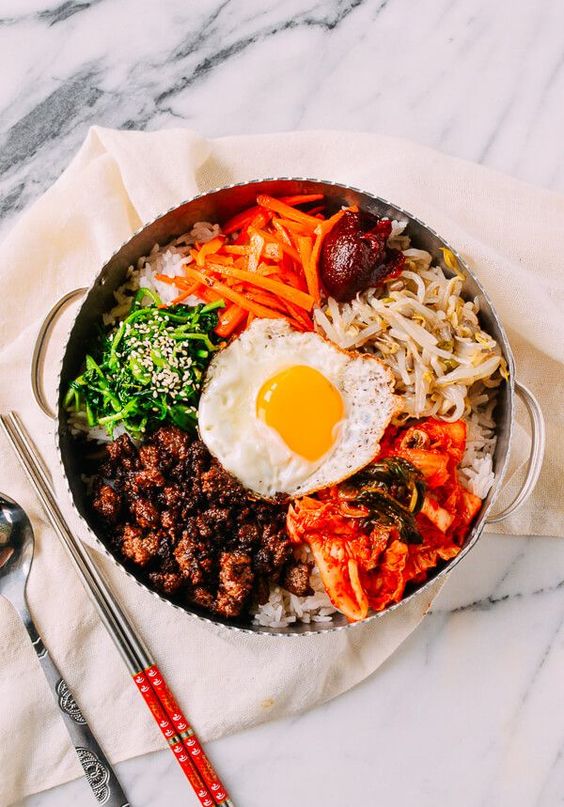
Korean cuisine is known for its bold flavors and emphasis on fermentation, as seen in dishes like kimchi, a fermented vegetable side dish. Korean barbecue, where diners grill their own meat at the table, is a popular and interactive dining experience. The traditional Korean meal, known as hanjeongsik, offers a spread of dishes, including soups, grilled meats, and a variety of banchan (side dishes), showcasing Korea’s culinary richness.
The Fragrant Dishes of Vietnam
Vietnamese cuisine is characterized by its use of fresh herbs, crisp vegetables, and seafood. Pho, a fragrant noodle soup, and banh mi, a French-inspired sandwich, are among Vietnam’s culinary highlights. The country’s cuisine reflects influences from both Southeast Asian and French colonial cuisines, offering a unique blend of flavors that are light yet deeply satisfying.
Exploring the Spice Islands of Indonesia
Indonesian cuisine is a vibrant tapestry of flavors, influenced by the country’s diverse cultures and history. Dishes like rendang, a slow-cooked meat dish, and nasi goreng, a flavorful fried rice, are staples. The nation’s vast archipelago offers a wide range of regional specialties, from the fiery sambals of Sumatra to the sweet Javanese soy sauce, kecap manis.
The Culinary Mosaic of Malaysia
Malaysian cuisine is a reflection of the multicultural makeup of its population, blending Malay, Chinese, Indian, and indigenous Bornean influences. Street food, particularly in cities like Kuala Lumpur and Penang, offers a delicious introduction to the country’s culinary diversity. From the rich coconut milk-based curries to the charred stir-fried noodles, Malaysian dishes are a feast for the senses.
This gastronomic journey through Asia reveals the continent’s culinary diversity and the deep cultural significance of food. Asian cuisine, with its rich flavors, diverse ingredients, and unique cooking styles, offers an endless array of dishes to explore and enjoy. Whether it’s through the complex spice blends of India, the meticulous preparation
of Japanese dishes, or the bold tastes of Korea, each meal tells a story of tradition, innovation, and the universal love of good food. So, the next time you set out to explore the world, let your taste buds lead the way and discover the culinary delights that Asia has to offer.